

Heathrow and airlines falling out (again) as fares rise to cover third runway planning costs
Another front has opened up in the ongoing war of words between Heathrow airport and its airline customers.
There is a long running debate over who should pay for the third runway – in particular whether the costs should fall only on new airlines / new routes or should be split equally across all carriers.
A bigger concern for airlines is who pays the bills before the third runway opens, as these costs will fall exclusively on the incumbents. Heathrow has no intention of waiting for the runway to open – which is likely to require a decade of construction – before the airlines start to repay its costs.
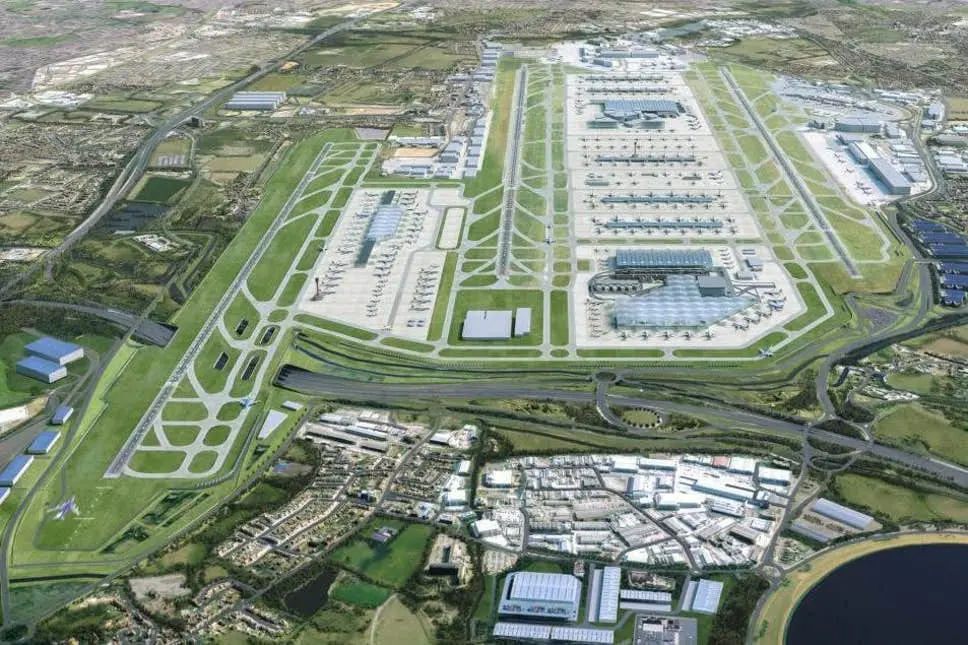
This fight is already underway.
The Civil Aviation Authority has just announced a draft decision allowing Heathrow to recoup £320 million (in 2024 numbers) covering 2025 and 2026 spending.
By ‘recoup’, it means ‘push up the airport fee which is added to the cost of your ticket’.
According to the Financial Times (paywall), this would add approximately 10p per passenger, although it isn’t clear how they arrive at that figure.
The CAA says that refunding these costs to Heathrow would:
“.… allow Heathrow Airport Limited to have the resources necessary to continue its work on expanding the airport.
“Early costs include planning and design costs which are needed to develop a credible expansion scheme at Heathrow, including preparation of material to support a future Development Consent Order application.”
Arora Group’s counter proposal, Heathrow West, was not progressed by the Government but will also be allowed to recover £4.3 million in planning costs from the airlines.
The draft document suggests that, unsurprisingly, Heathrow came out in favour of the decision. After all, who doesn’t like their bills being paid by others?!
British Airways opposed the decision, arguing that it “created an imbalance between risk and reward in HAL’s favour and transferred pre-consent downside risk to consumers”. It said Heathrow would be able to recoup its costs further down the line.
Meanwhile, Virgin Atlantic opposed any cost recovery until a Development Consent Order was granted by the government.
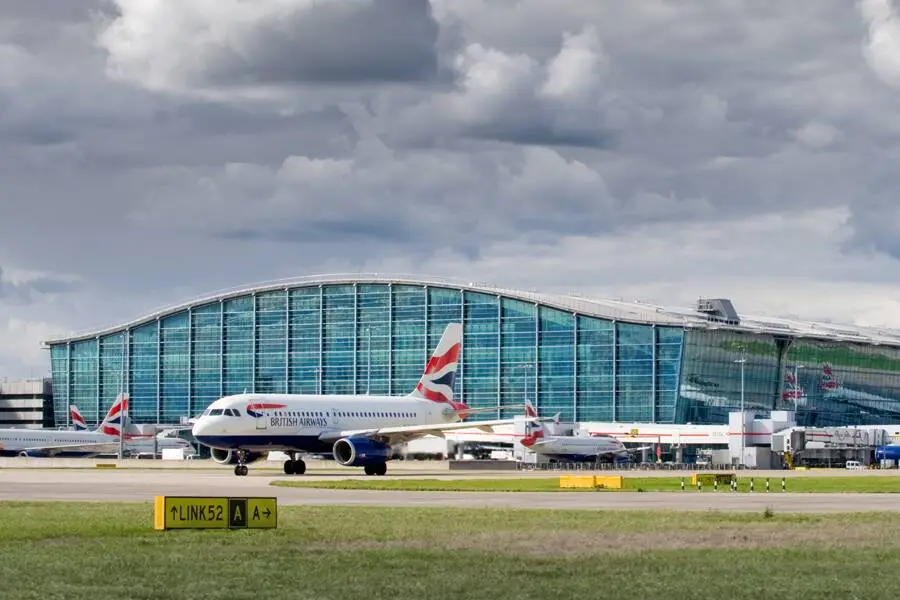
The CAA says that whilst it has considered these views, it believes that its decision is “essential to support timely delivery of expansion and the earlier realisation of consumer benefits.” It is clearly working towards the Government’s deadline of having planning permission in place by the next Parliament in 2029. You can see the full CAA document here.
Meanwhile, the CAA is also consulting on proposed passenger charges for Heathrow’s next five year period, called H8. Its initial proposals call for a cap of between £27.20 and £30.50 per passenger (it varies each year, depending on forecast passenger numbers).
Taking the midpoint of the five-year period, £28.80, this would be just 40p more than the midpoint of charges in the current regulatory period. It is 16% lower than what Heathrow wanted and 25% higher than what the airlines proposed.
Whilst these issues play out the CAA is also looking into reforming the regulatory model Heathrow works under, with airlines arguing for the airport to be broken up into several terminal operators, as happens at New York JFK.
Meanwhile, Heathrow CEO Thomas Woldbye continues to give media interviews and defend the airport’s case whilst Heathrow Reimagined, the campaign spearheaded by airlines, is also making substantial noise.
The situation has not been helped by the revelation that Heathrow got a little carried away on refurbishing service tunnels at the airport. According to The Times, the cost of upgrading the ‘main tunnel’ was budgeted at £21 million but Heathrow managed to spend £342 million. Refurbishing a cargo tunnel will reportedly cost £213 million against a budget of £45 million. All of this, with a guaranteed margin on top, is likely to be reclaimed from the airlines.
Does this give airlines any faith that tunnelling the entire M25 motorway to build the third runway will be done on budget?
The tussle to define the future of the airport continues ….