
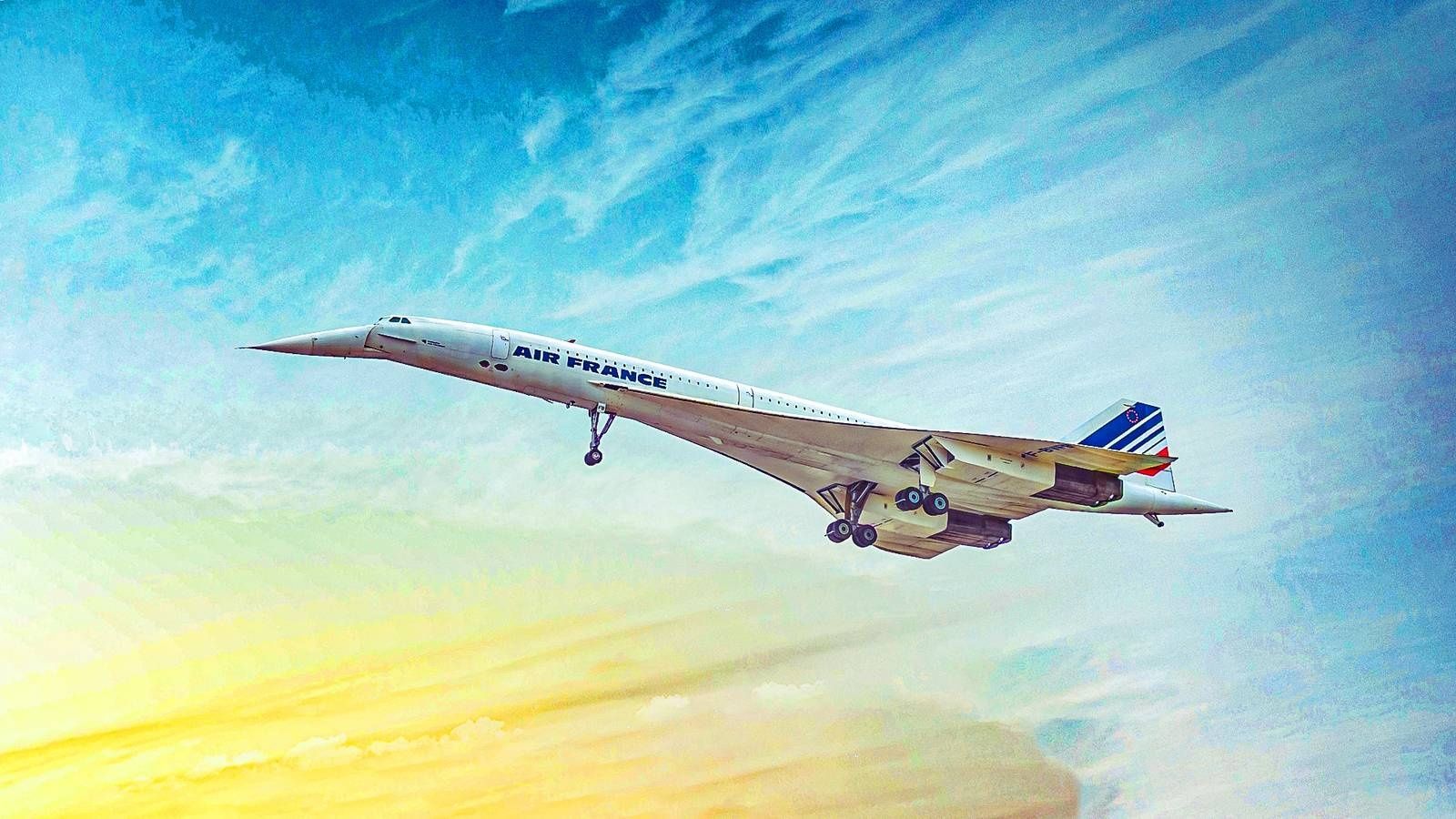
Concorde’s Droop Nose Solved A Problem Its Delta Wing Created
Every Concorde retrospective gets to the nose eventually. It’s the moment the aircraft tips downward and the fuselage looks almost broken, a mechanical bow that made the front pages long before anyone bothered explaining why it was there. Most stories just describe that the mechanism helped the pilots see the runway. That’s true, but it’s not the whole story. The droop nose was a triple-redundant hydraulic system with four fixed positions and a hard rule written straight into the flight manual. Below 250 knots (463 km/h), the crew had no discretion in the matter: the nose had to come down, every time, on schedule, whether the pilot flying that day found the sight elegant or not. This was the closest thing a pure delta wing ever had to a flap.